
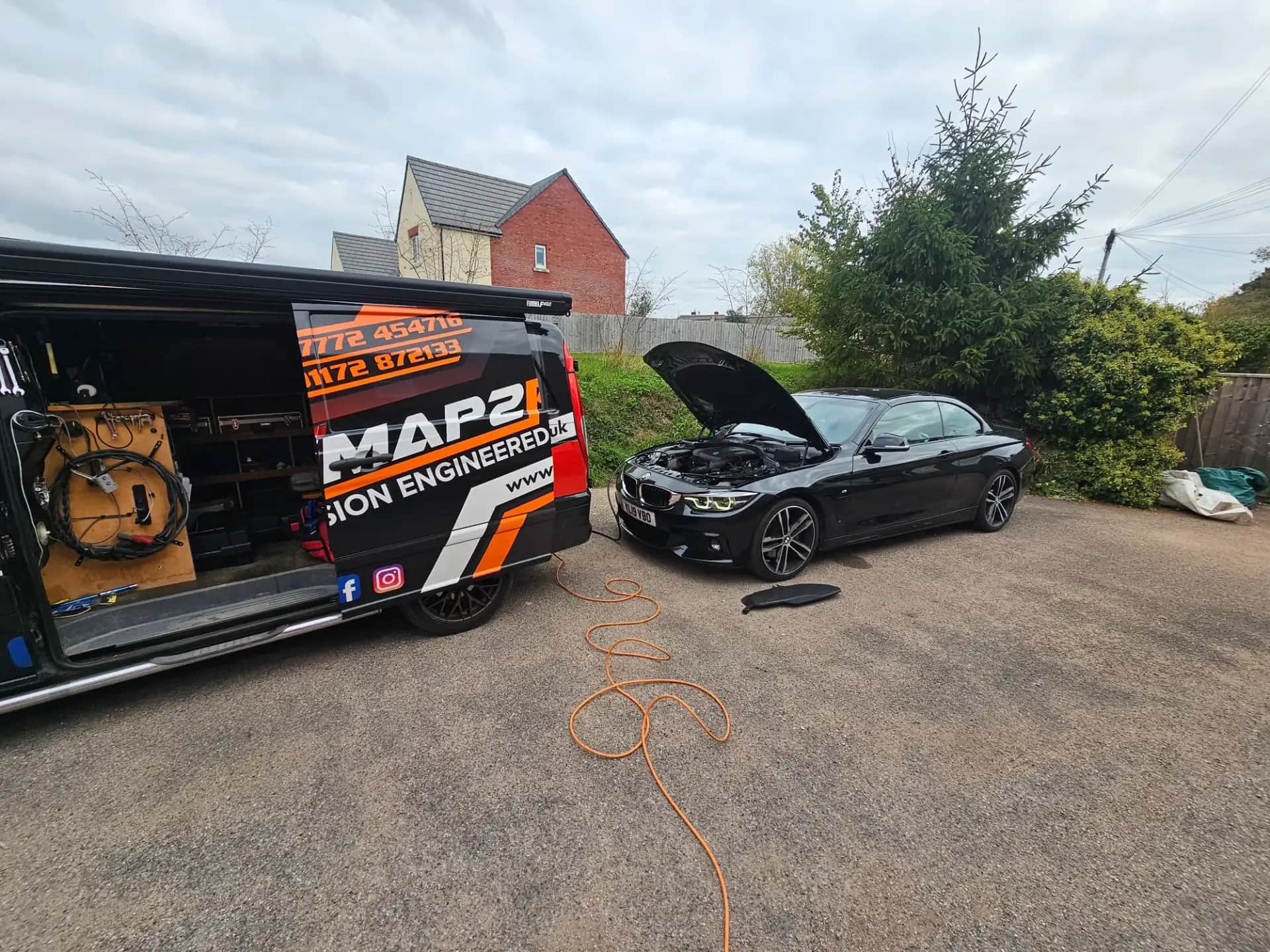
DPF deep cleaning & hydrogen carbon cleaning
Restore lost performance and MPG at your door — a fraction of the cost of a replacement filter.
Sound familiar?
- DPF warning light
- Limp mode
- Excessive smoke
- Failed MOT on emissions
- Mostly short journeys? You're at risk
DPF deep clean
Recovered, not replaced
Professional mobile flush of the diesel particulate filter: soot and ash cleared, back-pressure restored, regeneration cycle verified — with before/after readings shown. A new DPF is often £1,000–£3,500; recovery is a fraction of that.
- No removal in most cases
- Before / after readings
Hydrogen carbon cleaning
Up to 75% of carbon stripped
Hydrogen passed through the running engine burns carbon off valves, injectors, turbo and exhaust. Smoother idle, sharper throttle, better MPG — and the ideal preparation before a remap. Around an hour, no dismantling.
- No dismantling
- ~1 hour service
Which do I need?
- DPF light on / limp mode / MOT smoke fail
- → DPF deep clean. The filter itself is blocked; cleaning the engine won't clear it.
- Sluggish / rough idle / MPG slipping
- → Hydrogen carbon clean. Carbon on valves and injectors is stealing response.
- High-mileage diesel, both symptoms
- → Both, same visit — and both discounted when combined with a remap.
- Not sure?
- → Call — the diagnostic scan tells us which, before any work is agreed.
Why DPFs block
How it cleans itself
The filter traps soot from the exhaust, then burns it off — “regenerates” — once the exhaust reaches around 500–650°C. That usually takes 30–50 minutes at a steady speed on an A-road or motorway.
Why short runs block it
Town driving and short trips never get the exhaust hot enough. Regeneration doesn't finish, soot keeps building, and the warning light or limp mode follows.
Soot vs ash
Burning soot leaves ash, and ash doesn't burn. Over the miles it fills the filter — the cause most often missed. Pressure readings tell us which one we're dealing with.
How we deep clean it, on your drive
- Full diagnostic scan for DPF and non-DPF fault codes.
- Filter pressure measured at idle and at 3,000rpm to see how blocked it is.
- Cleaning solution fed into the filter through the pressure-sensor pipework, with the engine running, and left to break down the soot.
- Engine held at 3,000rpm to flush the filter through, while we watch the pressure fall back within tolerance.
- Filter values reset, and the before / after readings shown to you.
What we check first
A filter rarely blocks on its own. Cleaning without finding the cause means it blocks again, so we look for:
- Faulty DPF pressure or temperature sensors
- A split pressure-sensor pipe
- Regenerations that never get to finish
- An empty additive (Eolys) tank, where fitted
- EGR faults or boost leaks feeding it soot
- A filter full of ash rather than soot
Popular combo
Clean + remap, one visit
A clean engine takes the map better — combine and save. See remap stages »
★★★★★
“Problem with DPF on my VW Golf. I had been to see someone else and the issue hadn’t been resolved despite having a DPF re-gen. Brian was very professional in every way.…
On the job
DPF deep clean
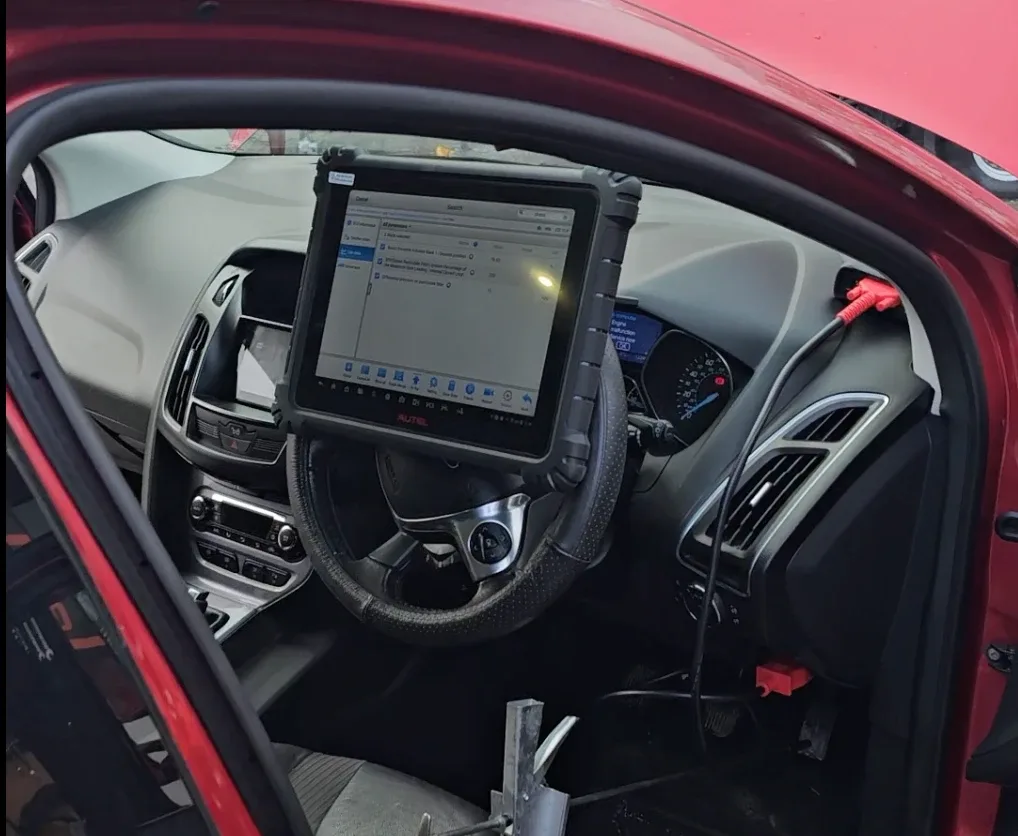
Advanced DPF diagnostics 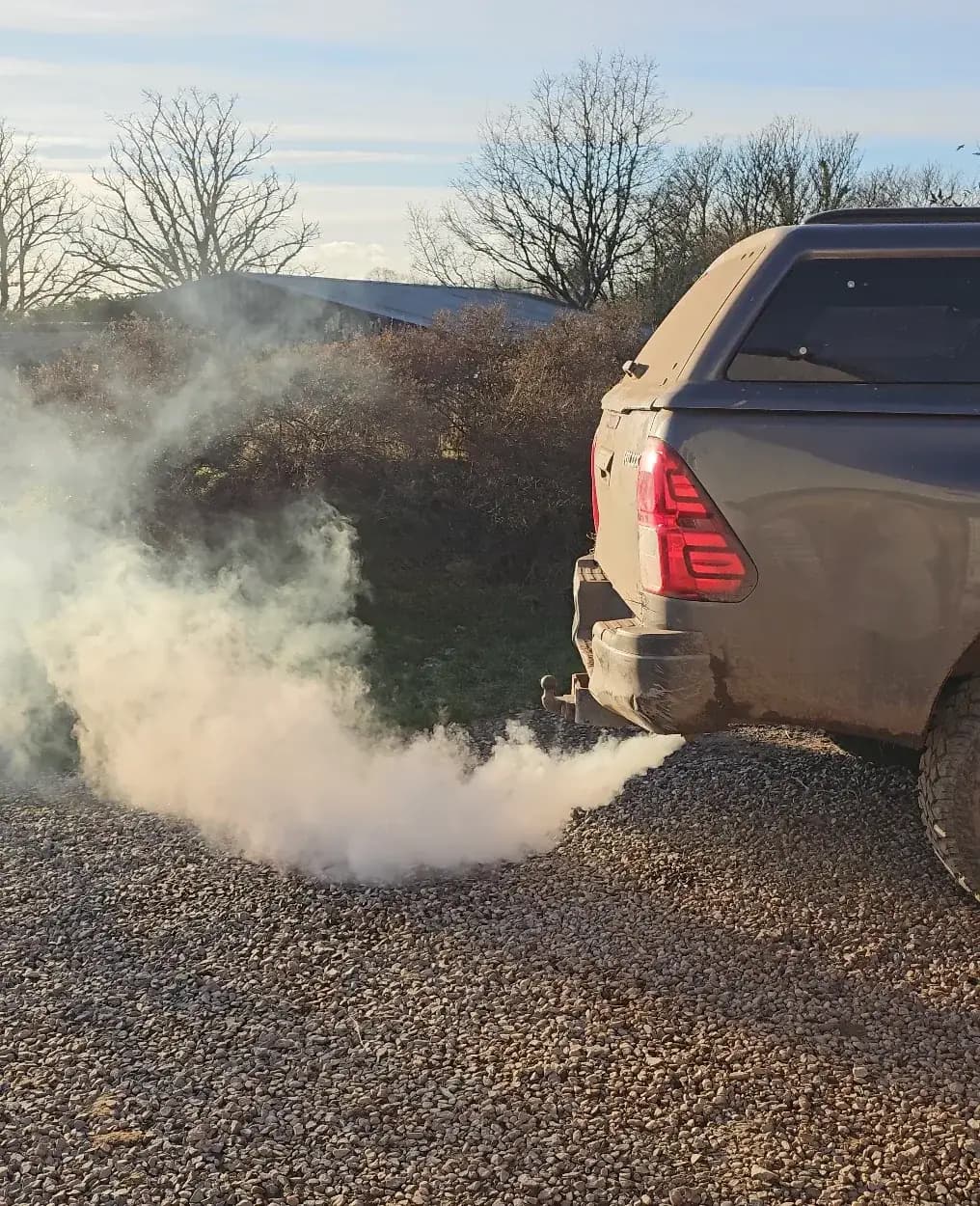
DPF deep clean in progress
Hydrogen carbon cleaning
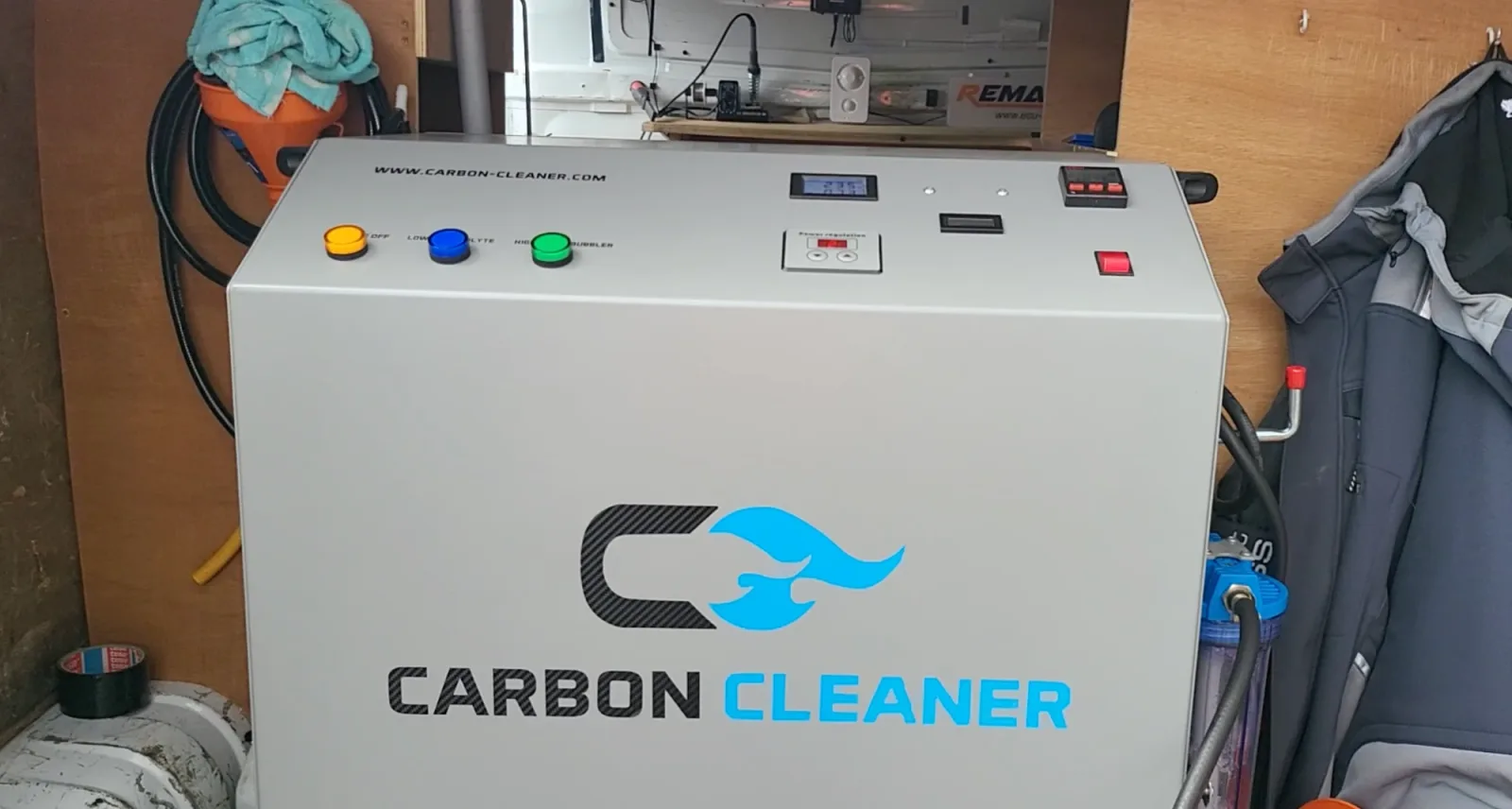
Our hydrogen carbon cleaning machine 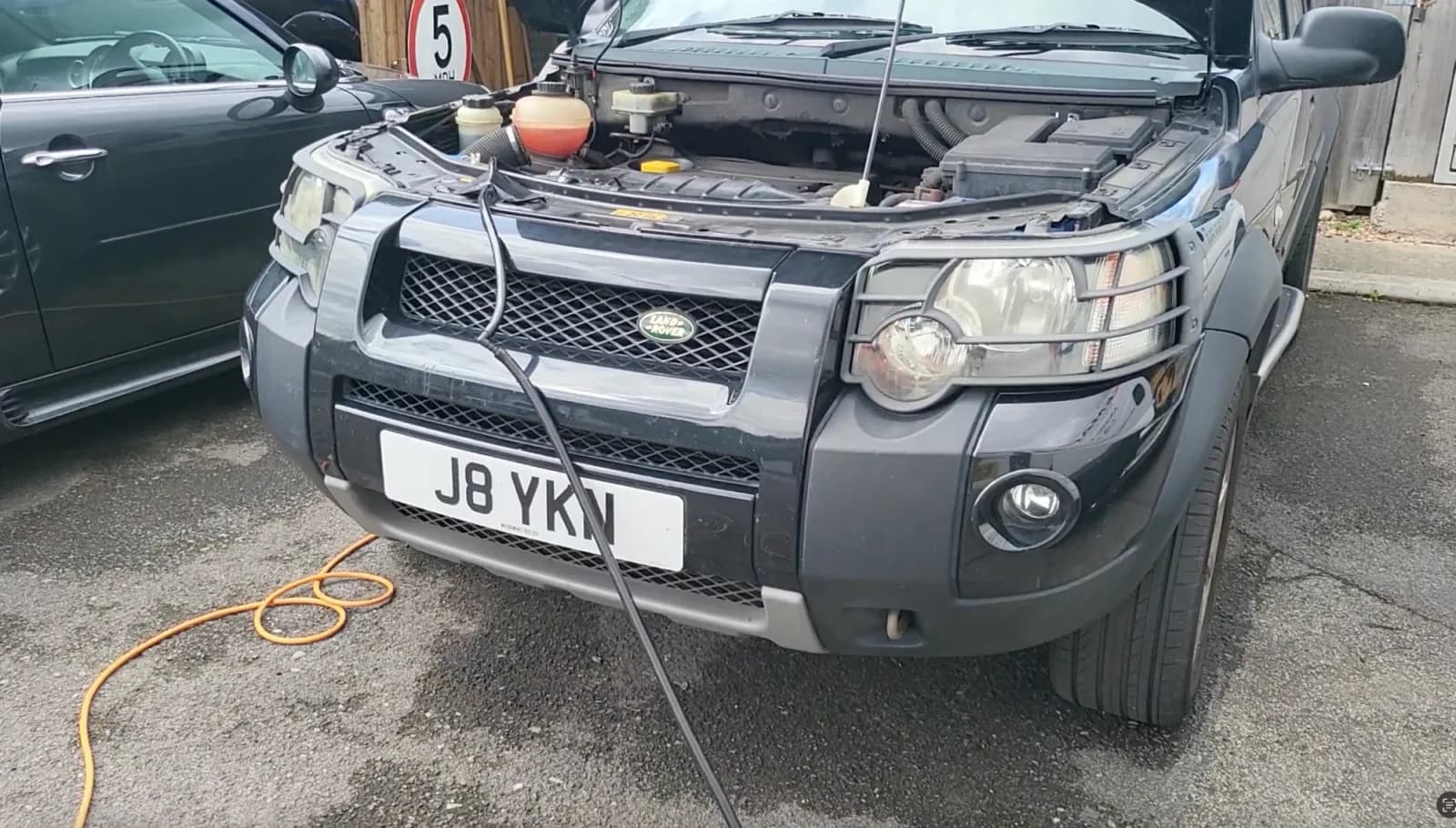
Hydrogen carbon clean in progress
From the blog: Engine Hydro Carbon Cleaning »
Coverage: mobile across Devon, Somerset and the Cornwall border — see your area »
DPF & carbon cleaning questions
What causes a DPF to block?
Mostly short journeys: the filter only clears itself when the exhaust runs hot for a sustained spell, so town driving lets soot build up. A fault elsewhere — a sensor, a split pressure pipe, an EGR problem or a boost leak — can also stop it regenerating, which is why we find the cause as well as cleaning the filter.
Can you clean the DPF without taking it off?
Yes. The deep clean is done with the filter still fitted, on your drive or at your work. If the readings show the filter is full of ash rather than soot, we'll tell you before any work is agreed, because ash may need the filter taking off and cleaning separately.
Will a blocked or tampered DPF fail the MOT?
The MOT tester records a major fault if they can see smoke of any colour from the exhaust, or find evidence the DPF has been tampered with. A deep clean restores the filter you already have — it stays fitted and working as designed.
How do I stop it blocking again?
Give the car a sustained run on an A-road or motorway at least once a week so the filter can regenerate, and put in a higher grade of diesel now and then. For cars that mostly do short trips, a maintenance clean once a year and a regular hydrogen carbon clean help keep soot down.
DPF clean or hydrogen carbon clean — which do I need?
A warning light, limp mode or an MOT smoke fail points at the filter, so a DPF clean. Sluggish response, rough idle or falling MPG points at carbon inside the engine, so a hydrogen clean. Many high-mileage diesels need both, and both can be done on the same visit. The diagnostic scan tells us which before anything is agreed.
DPF light on? Don't buy a new filter yet
Open 7 days: Mon–Sat 9am–8pm, Sun 9am–1pm · free advice, no pressure